Our Animation Production Process
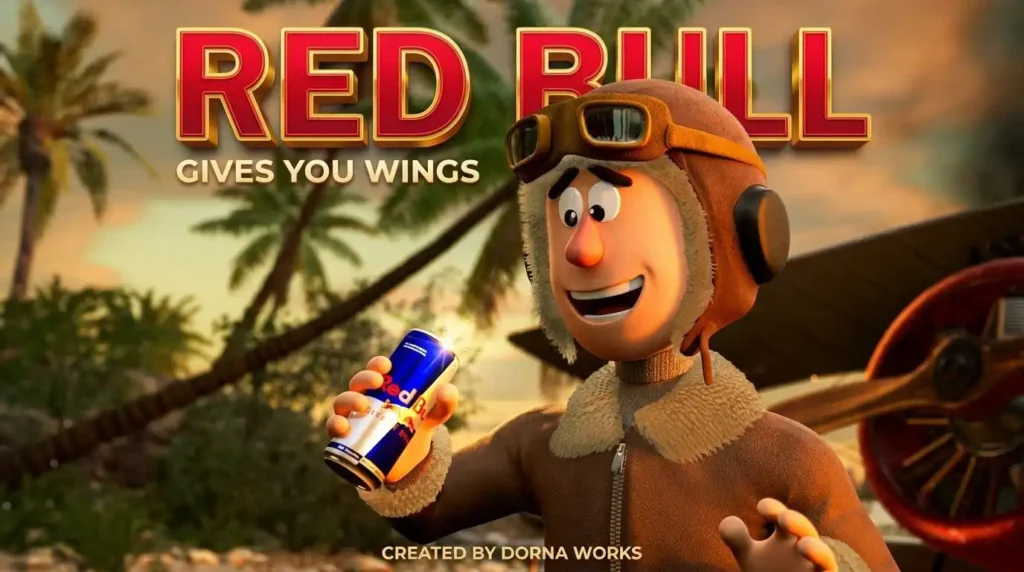
Animation is the process of turning an idea into a visual experience through movement, timing, composition, and atmosphere. At Dorna Works, our animation production process begins with concept development and scriptwriting. In this first stage, we define the purpose of the project, the story direction, the characters, the mood, the key scenes, and the message the animation should communicate. Whether the project is made for a cinematic sequence, trailer, promotional content, game presentation, or visual storytelling, this stage gives the production a clear creative foundation.
After the script and concept are defined, we move into planning and pre-production. This is where the project begins to take visual form. We establish the style of the animation, the scene structure, shot direction, camera ideas, environment needs, and character requirements. At this stage, we may prepare references, mood boards, scene planning, visual development, and production decisions that help organize the work before animation begins. A strong pre-production stage helps make the full process more efficient and visually consistent.
Once the direction is approved, we move into character and scene preparation. In Maya, characters are developed and prepared for animation with the technical structure they need to move correctly. Rigging plays an important role in this stage, giving the character a controllable system for movement, posing, and performance. A properly prepared character in A-pose is not the final image the audience sees, but it is one of the most important foundations of the animation process. It ensures that the character can be animated with stability, flexibility, and control throughout production.
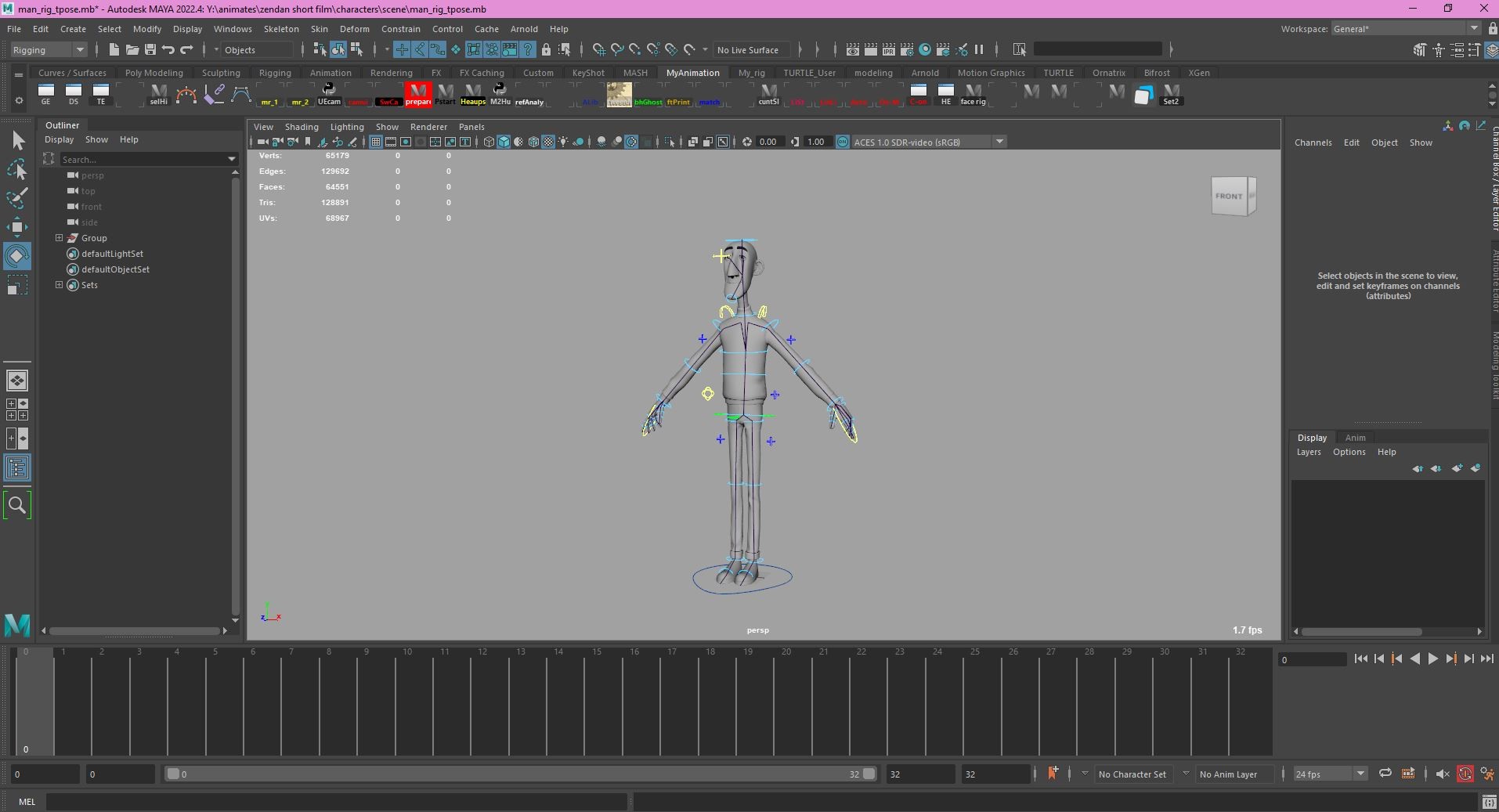
Animation Production Process:character preparation
Alongside character preparation, we also begin building the scenes and visual environments that support the animation. Characters and assets are placed in context, and the relationship between the subject, the space, and the camera begins to take shape. This stage helps define how the animation will be framed, how the character exists within the environment, and how the visual composition supports the story or message. Before final rendering, it is important to understand how the animated subject interacts with the world around it.
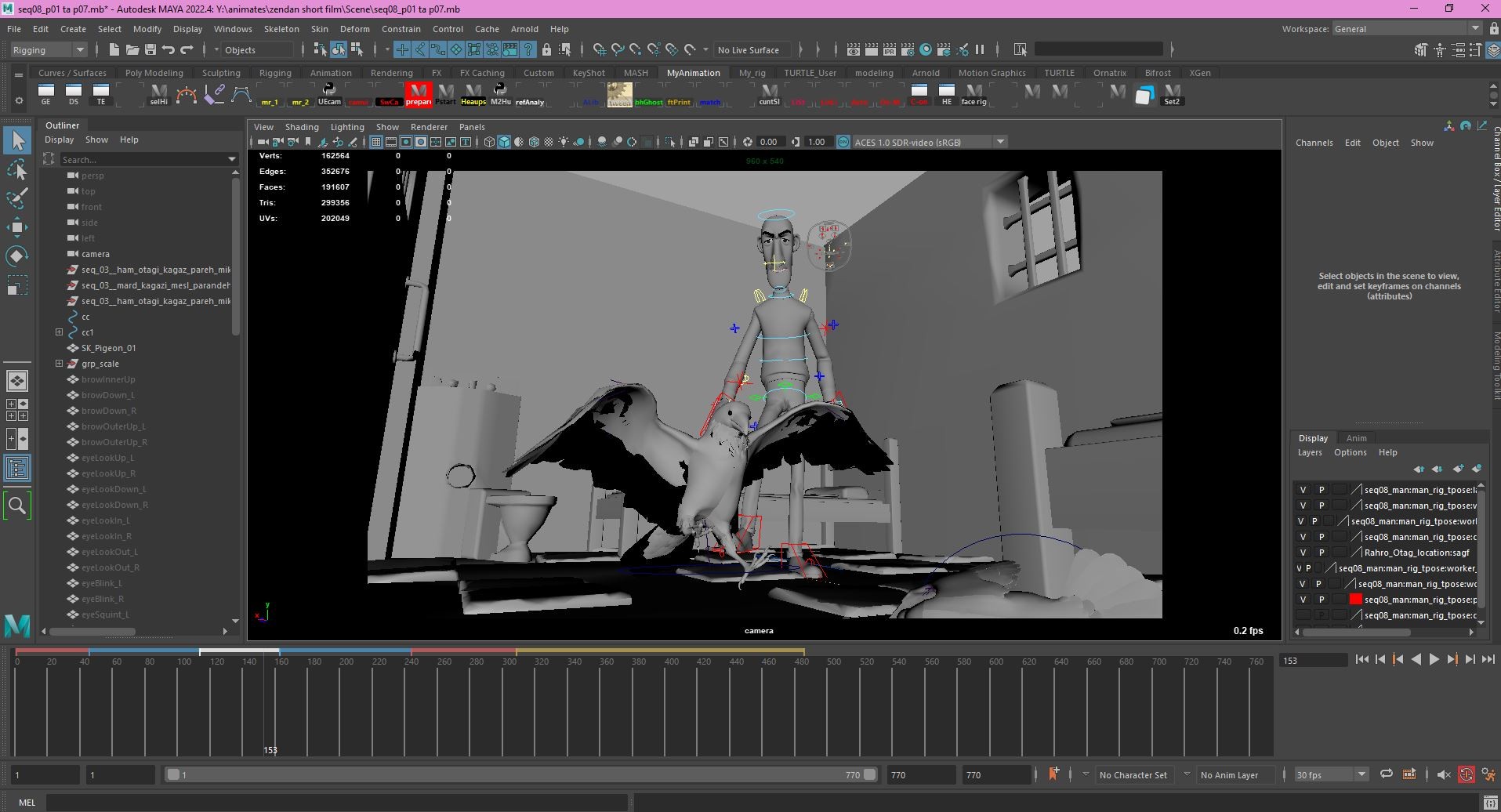
Once characters, assets, and scenes are prepared, the animation moves into production. This is where movement, performance, timing, and shot development begin to come alive. We work on character motion, scene rhythm, camera movement, and the overall visual flow of the sequence. Every pose, transition, and shot needs to support clarity and expression. Animation is not only about moving a character; it is about creating performance, communicating intent, and guiding the viewer’s attention through the scene.
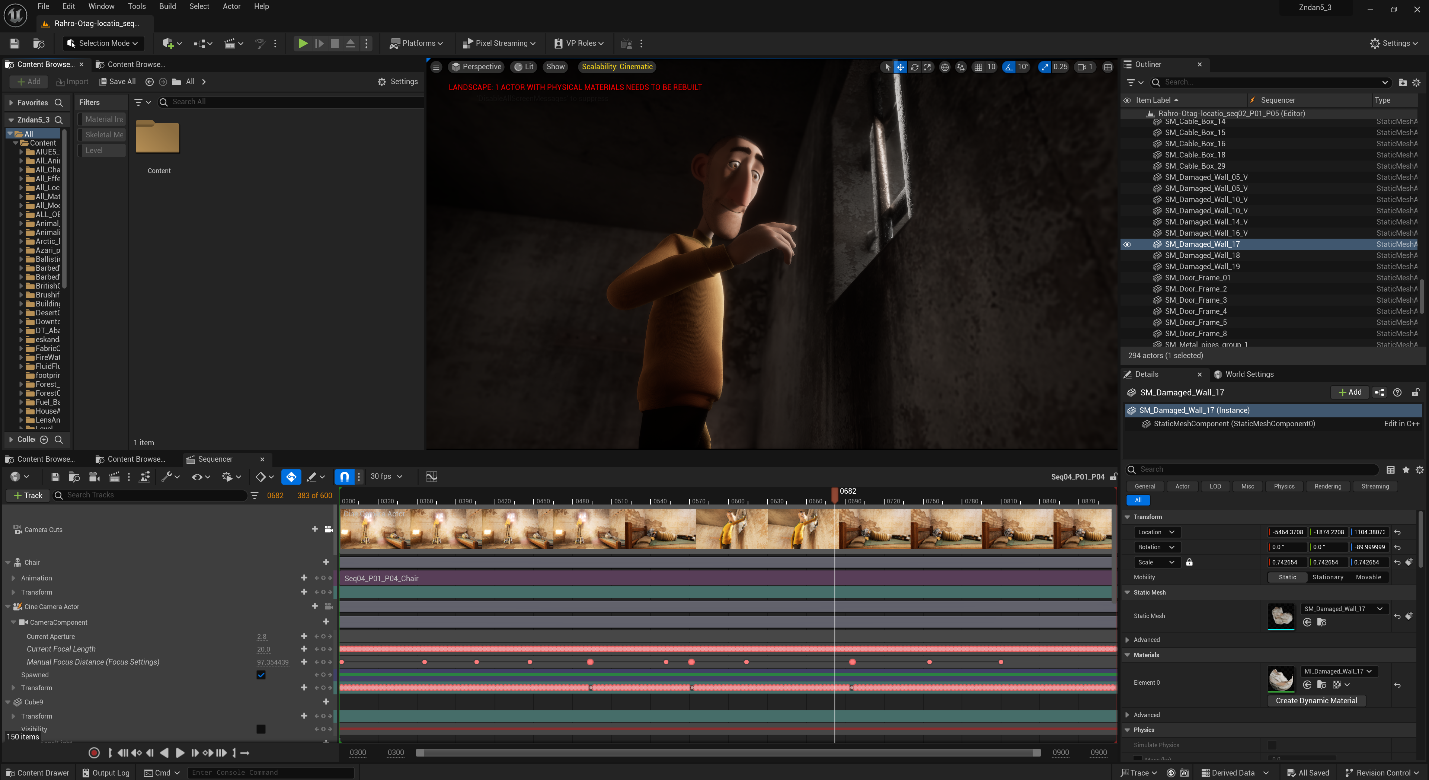
Animation Production Process: Unreal Engine
As the project develops, Unreal Engine becomes an important part of the real-time visualization process. Lighting, atmosphere, scene depth, and rendering are developed to strengthen the final presentation of the animation. This stage allows us to shape how the scene feels visually, using light, color, contrast, and camera perspective to enhance mood and readability. Real-time workflows also help us review and refine scenes more efficiently, making it easier to balance visual quality with production control.
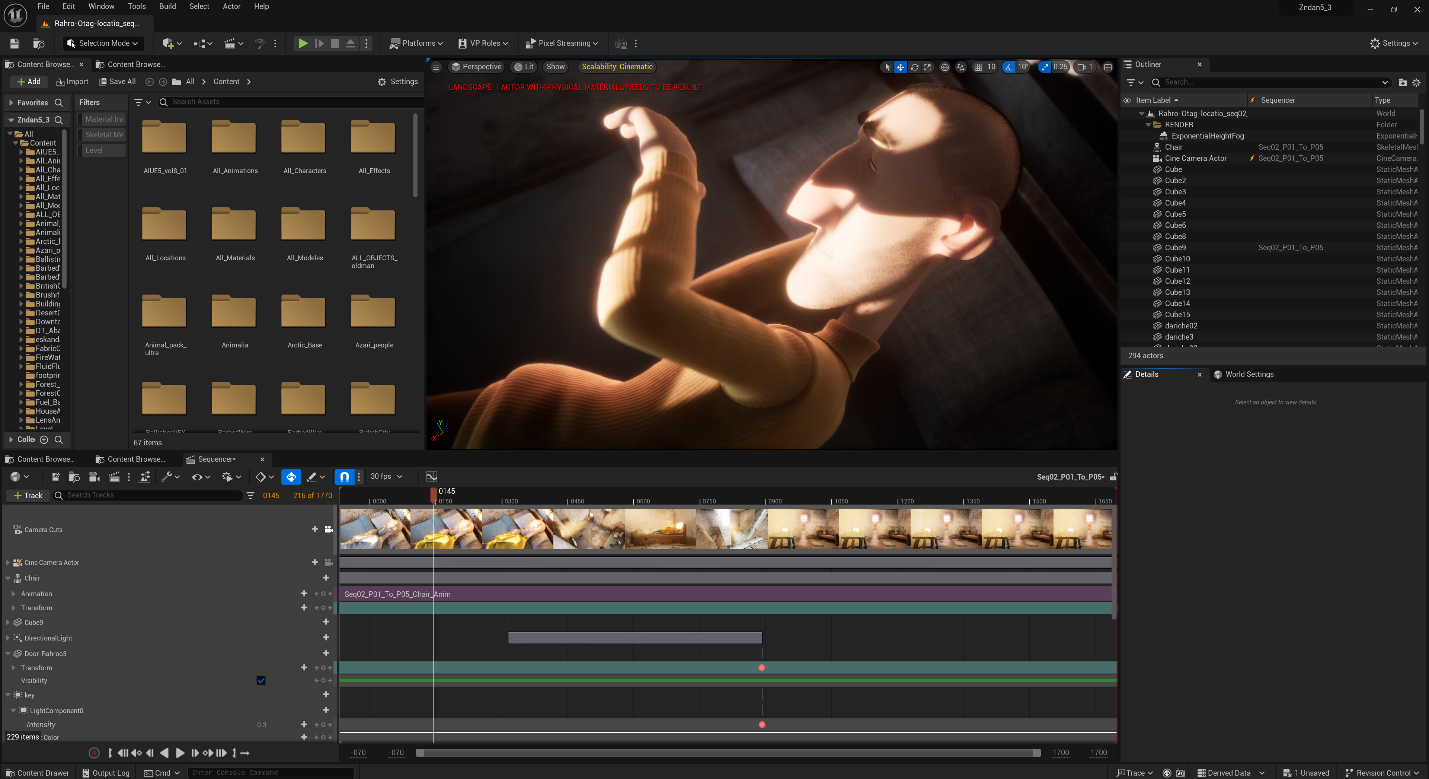
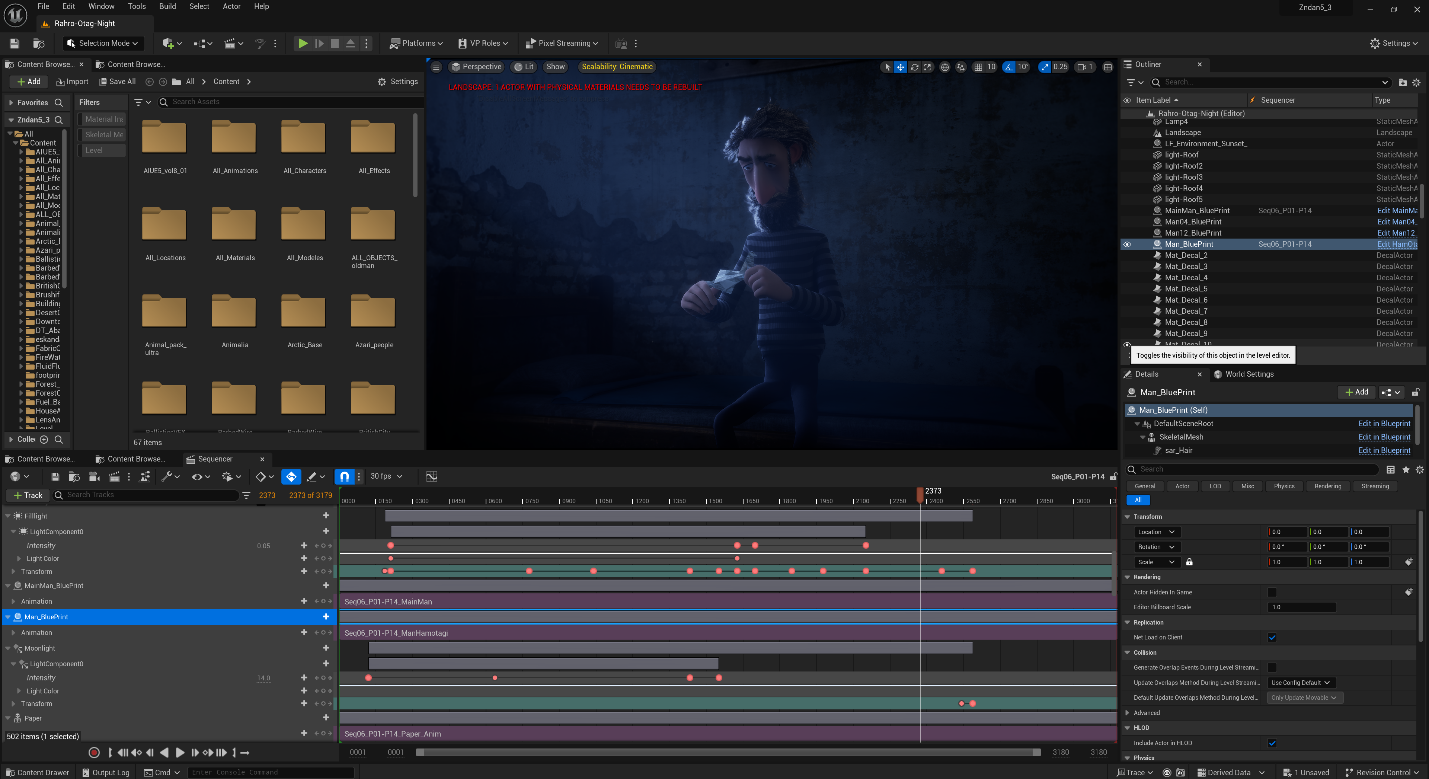
Review and refinement are essential throughout the process. We evaluate motion quality, scene composition, lighting, timing, rendering, and the overall visual result. If a movement feels weak, a shot feels unclear, or a scene needs stronger atmosphere, we refine it. This stage helps us improve both the technical quality and the emotional impact of the animation before final delivery.
In the final stage, we prepare the project for output and presentation. This may include final rendering, sequence adjustments, color refinement, editing support, and delivery in the required format. Our goal is always to create animation that feels visually strong, technically polished, and aligned with the purpose of the project.
At Dorna Works, animation is a process that connects story, character preparation, scene building, motion, and final visual refinement. Maya gives us the tools to build and prepare characters and scenes, while Unreal Engine helps us shape lighting, atmosphere, and presentation in real time. Through this workflow, we turn ideas into animated experiences that feel clear, expressive, and alive.